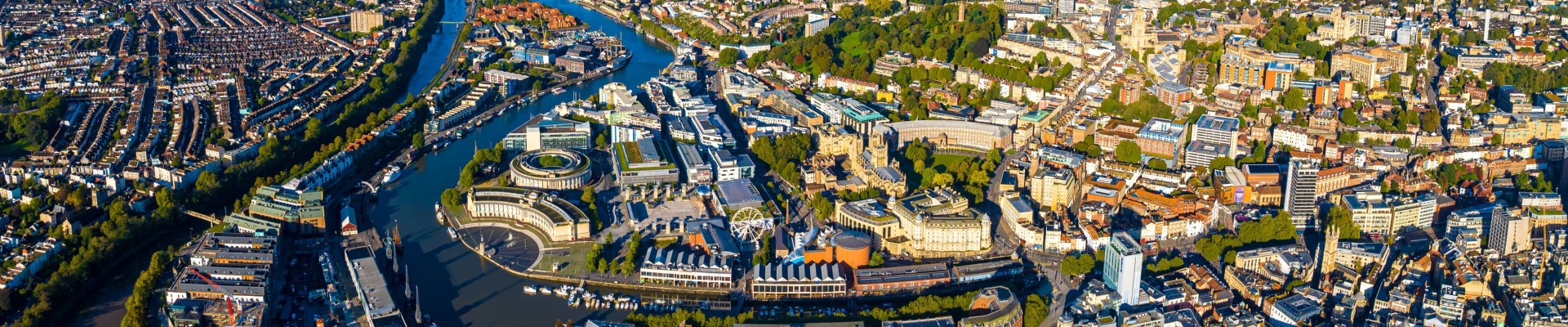
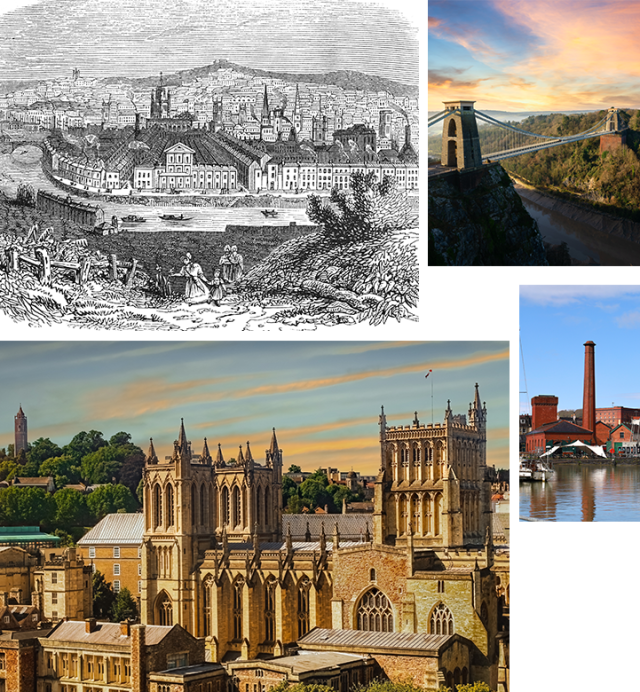
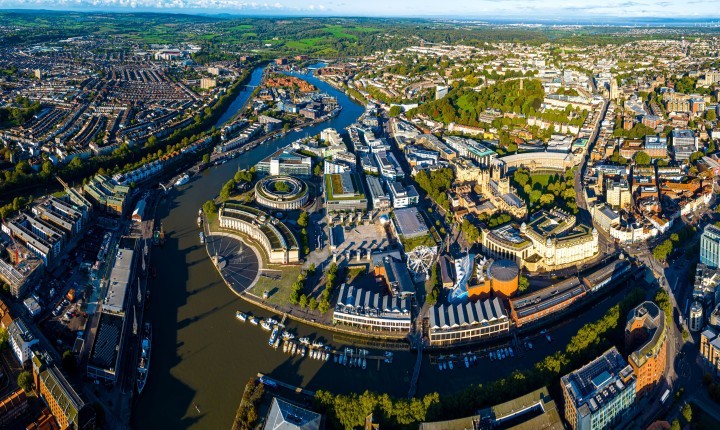
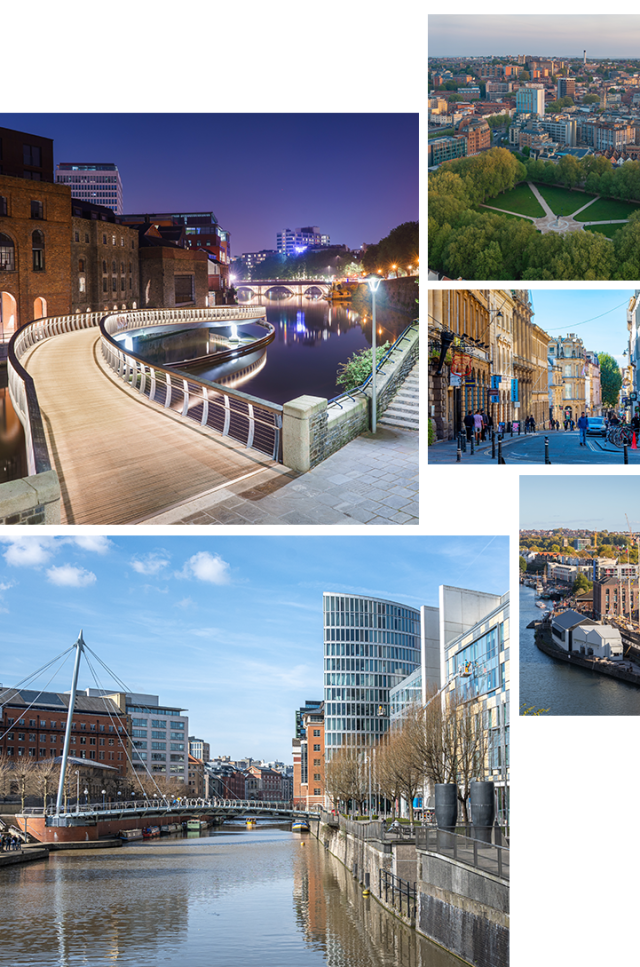
Bristol's story begins in the early Middle Ages when the Anglo-Saxons established a settlement at the loop where the Avon River meets the Frome. Originally called Brygestowe, meaning "place by the bridge", this strategic location would become the foundation for one of England's most important trading ports.
Medieval prosperity and growth
By the mid-14th century, Bristol was considered England's third-largest town, with an estimated 15,000 to 20,000 inhabitants. The city's strategic position made it a crucial hub for trade with Ireland, Somerset and North Devon, with wool and leather being key exports. William the Conqueror recognised Bristol's importance by giving it its own mint and building a motte and bailey castle.
Industrial revolution and modern transformation
In the 20th century, aircraft manufacturing became the greatest industry in Bristol. Other industries included chocolate, tobacco, engineering, chemicals, zinc, furniture and pottery. Bristol was heavily damaged by Luftwaffe raids during World War II, but the city quickly rebuilt and reinvented itself, emerging as a centre for aerospace, media and technology.