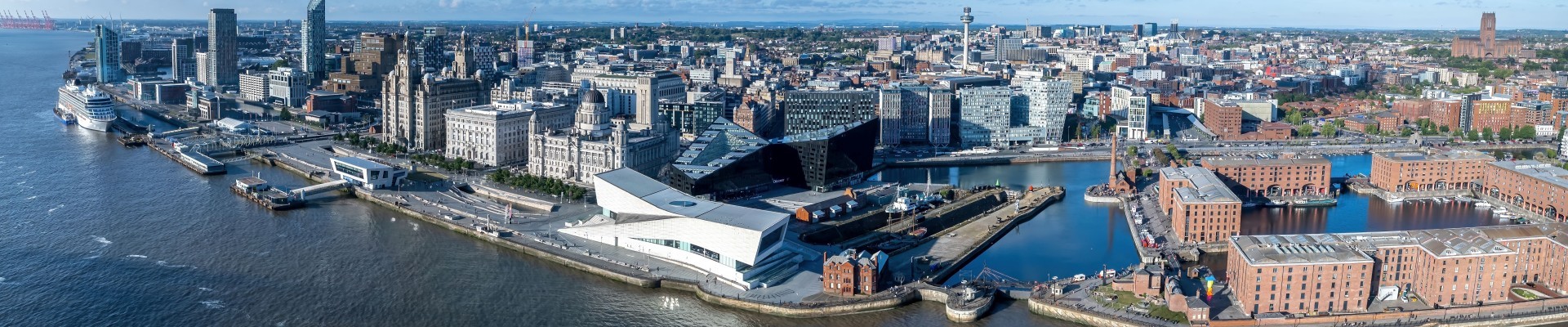
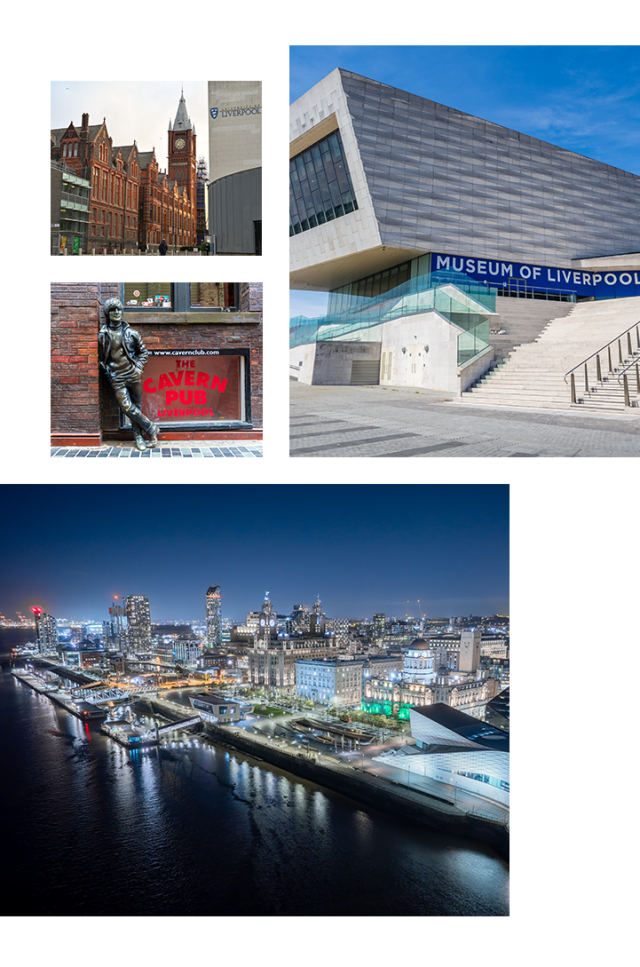
In 1207, King John founded the borough of Liverpool by royal charter. It was made up of just seven streets at the time but has now grown into one of the UK’s most famous cities.
Trading and the Industrial Revolution
Liverpool became a major port for transatlantic trade in the 17th and 18th centuries, moving products like salt, fish, textiles, sugar and rum to other countries.
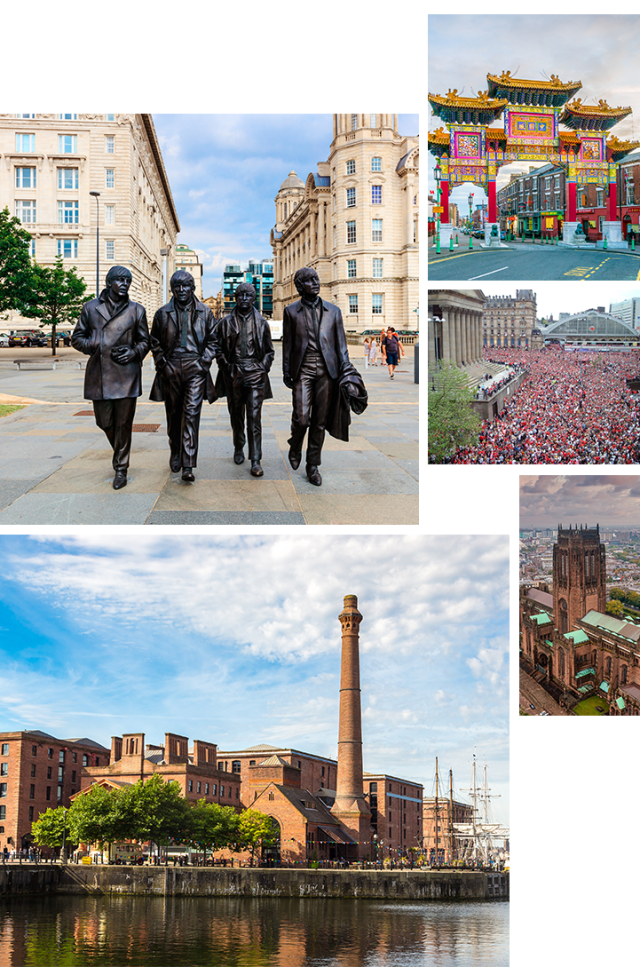
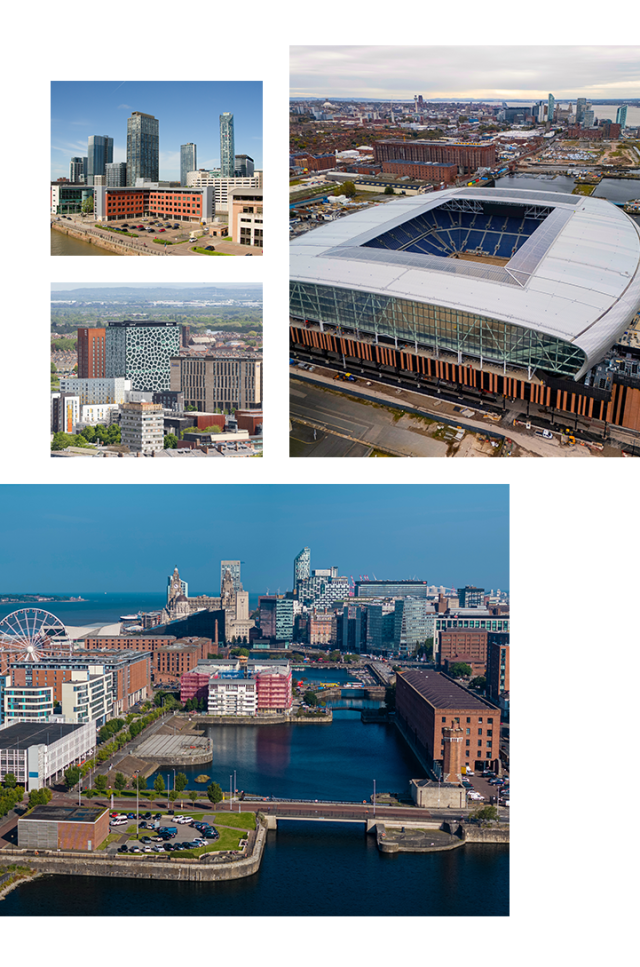
The Industrial Revolution saw Liverpool become one of the world’s leading ports thanks to the growth of docks, such as Albert Dock, and its shipbuilding expertise.
Immigration and cultural diversity
The success of the port attracted people from all over the globe during the 18th and 19th centuries, turning this location into a cultural melting pot.
Irish nationals journeyed across the Irish Sea during the Great Famine, the Welsh came and contributed to construction projects, Chinese people established Europe’s oldest Chinese community and workers from the Caribbean travelled here predominantly after World War II.
Sport and popular culture
Liverpool is an iconic city when it comes to sports, especially football. Home to one of the world’s fiercest rivalries, Liverpool FC make up the red side of the city while Everton FC represent the blue half. The Toffees were founded in 1878 while the Reds came 14 years later in 1892. LFC are the more successful of the two, winning 46 honours since records began.
The city is synonymous with pop culture too, most commonly for its music scene. The Beatles formed here in 1960 before becoming global superstars, putting Liverpool on the map for popular music lovers worldwide. They were also at the forefront of the ‘Merseybeat Movement’, the UK’s first significant contribution to pop music. Elvis Costello, Gerry and the Pacemakers, and Sporty Spice are other noteworthy stars from the city.