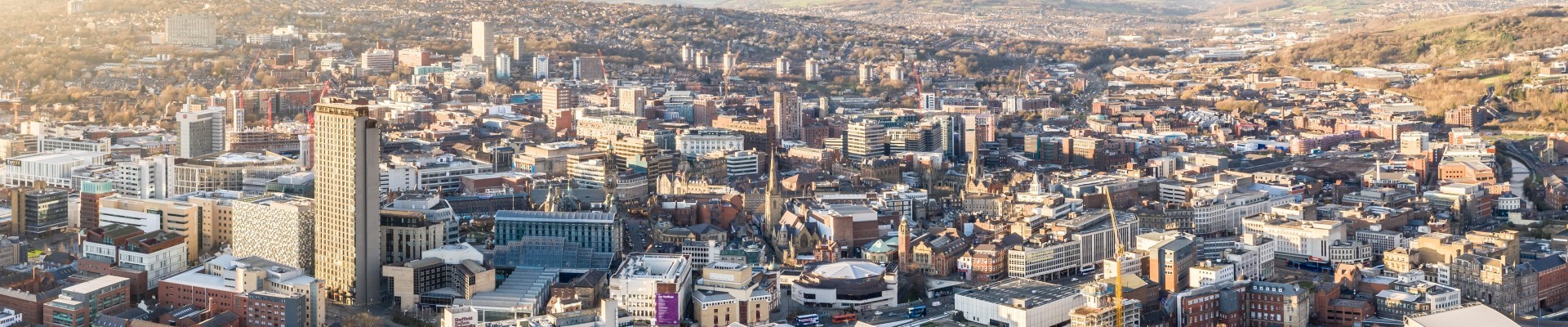
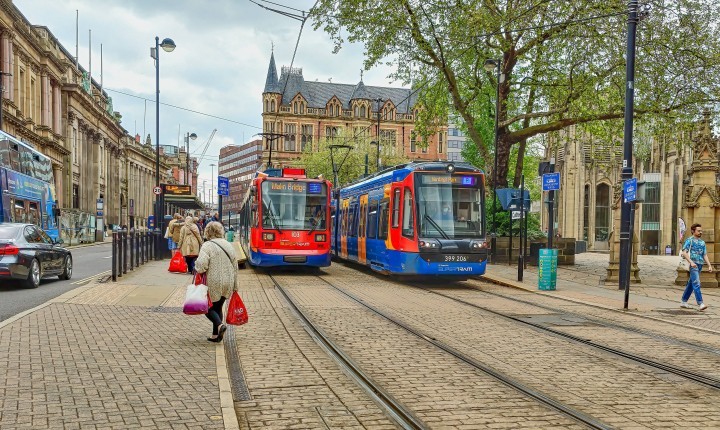
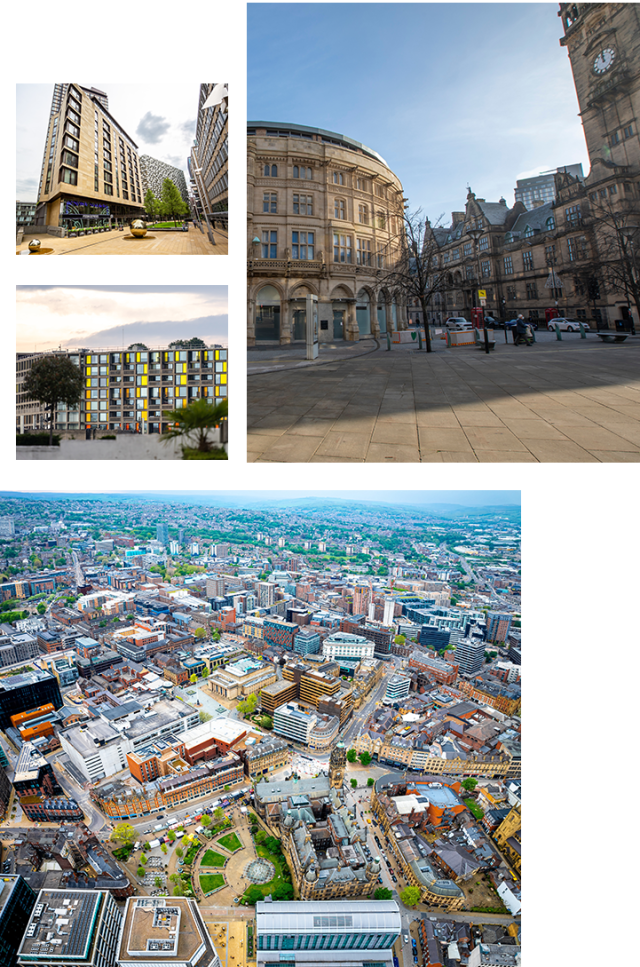
Once known as Escafield at the time of the , this Anglo-Saxon village has transformed into one of the most popular cities in northern England. The South Yorkshire location would eventually be named Sheffield, taking inspiration from the River Sheaf, which runs through the town centre.
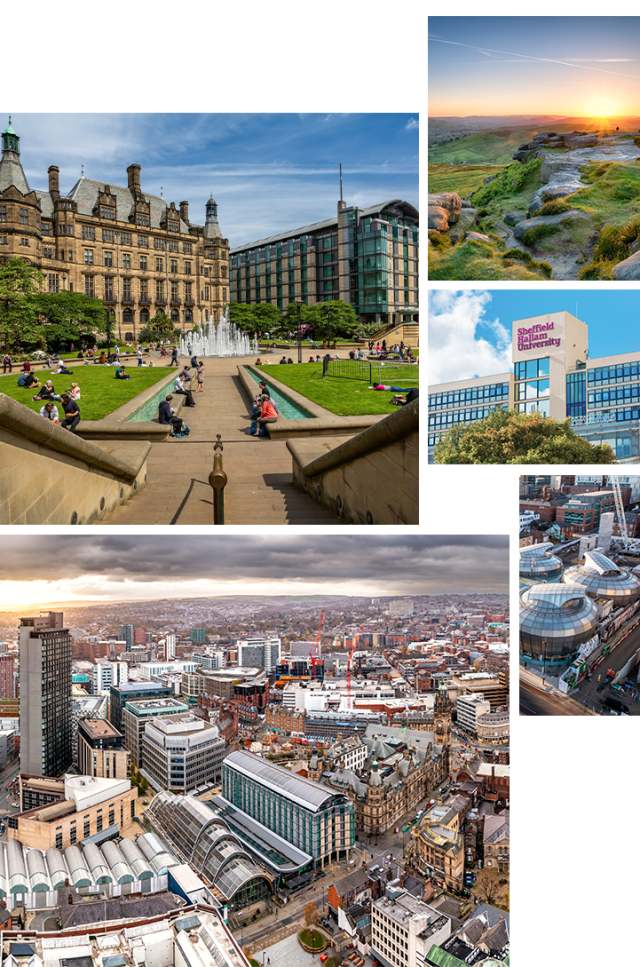
It is widely accepted that Sheffield was built on , and around one-third of the city lies within the , putting stunning landscapes on the doorstep of those who live here.
The Steel City
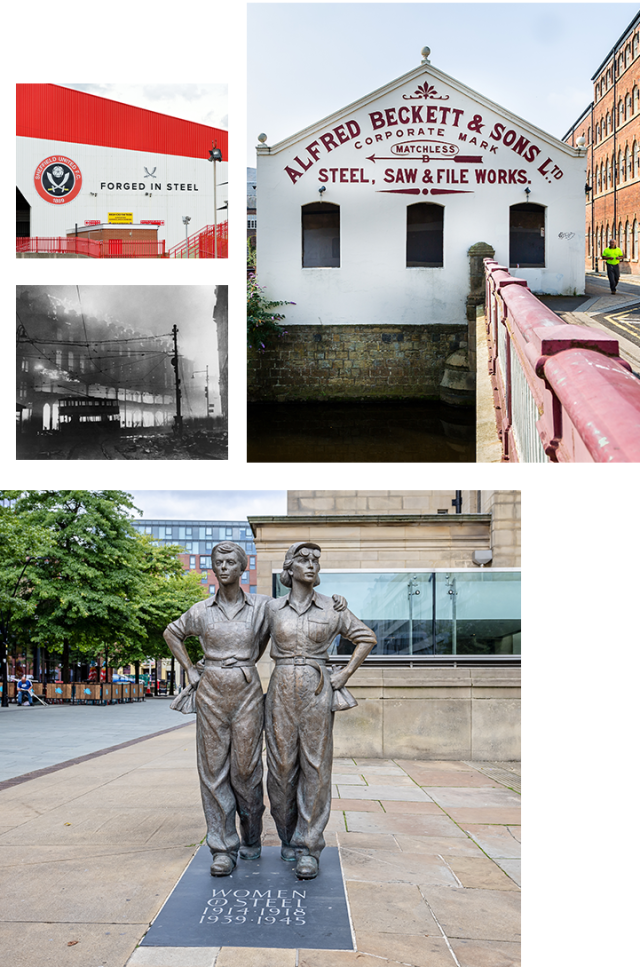
Sheffield is perhaps most famous for its contribution to the steel industry, with crucible and stainless steel being invented here. Its reputation grew and grew until it became known as the Steel Centre of the World, as it contributed to nearly half of Europe’s total production in the 19th century.
The city would become a critical part of the railway and construction industries as its factories mass-produced parts, allowing England’s infrastructure and transport networks to thrive.
Its role in the World Wars
World War I and World War II also play a prominent part in Sheffield’s history. During the First World War, it would harness its steel-making capabilities to create and supply munitions, artillery shells and weapons.
Sheffield’s success in WW1 unfortunately put a target on its back when fighting broke out in 1939, leading to a heavy bombing campaign from the Germans in 1940. Fortunately, the targeted factories remained operational and were able to make munitions to help the Allies on their road to victory.
Sport in Sheffield
Sport is everything to lots of residents here. Sheffield F.C. are the oldest existing team in the world, which led to the city being coined ‘The Home of Football’. Nowadays, it is all about Sheffield United and Sheffield Wednesday, who form one of the greatest sporting rivalries in the country. The World Snooker Championships are also held at the Crucible Theatre, attracting around 12,000 fans annually.