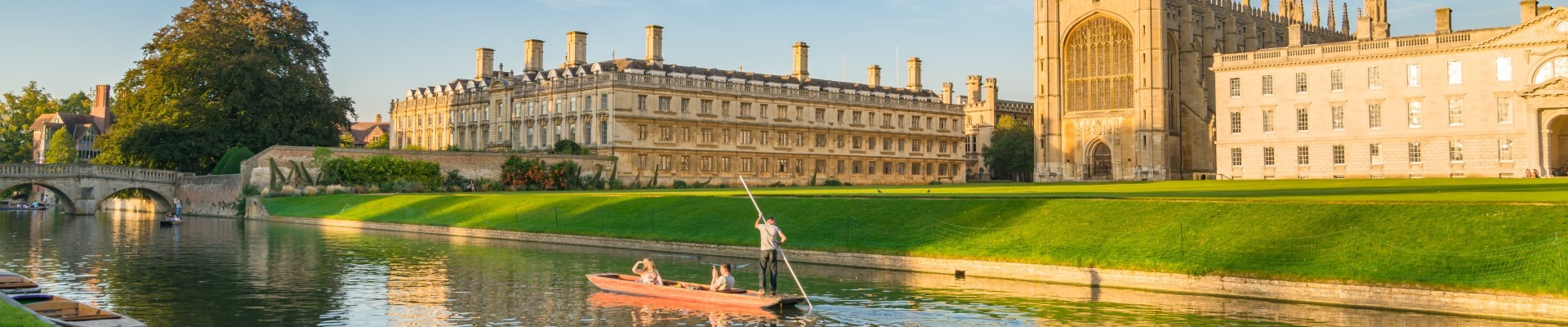
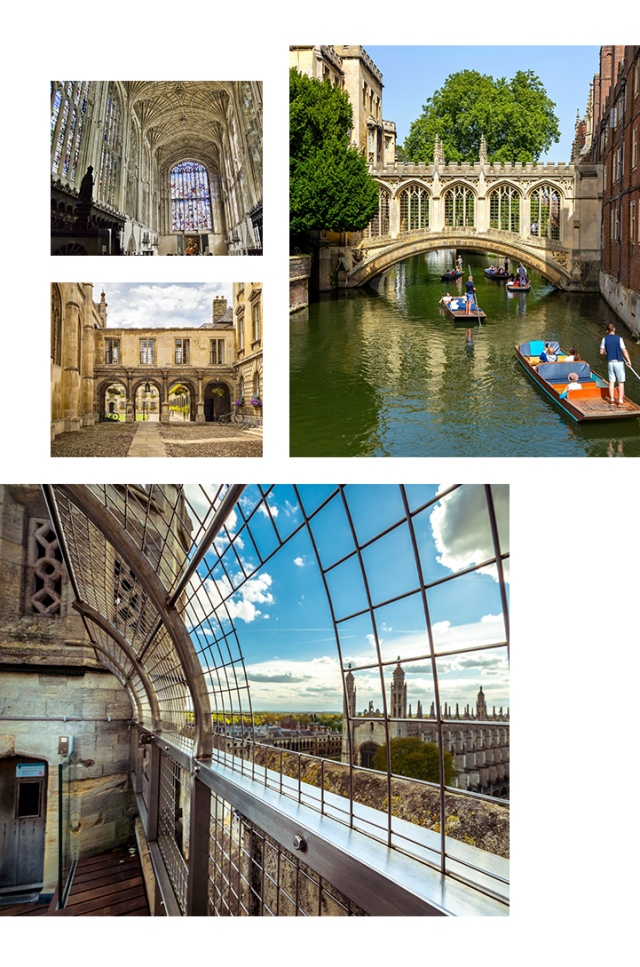
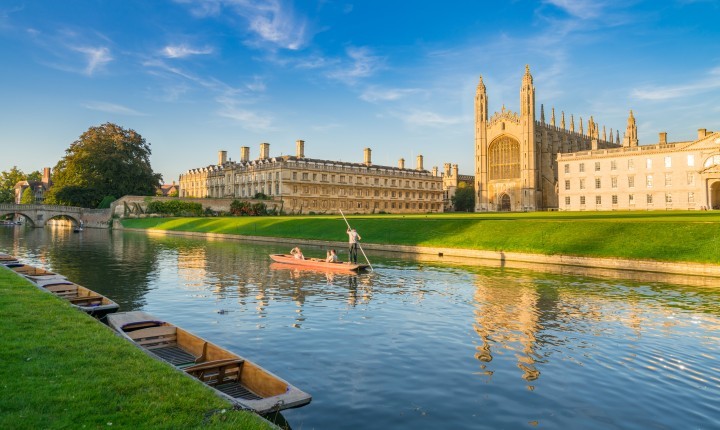
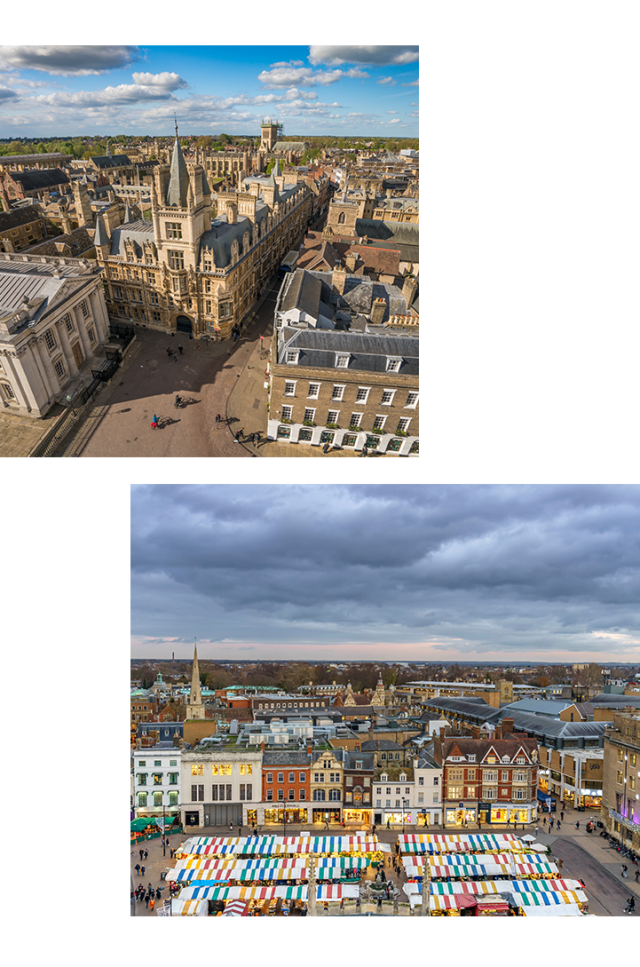
Aside from housing one of the most prestigious universities in the world, Cambridge is a quintessentially English city with a history to match.
Originally founded by the Romans on Castle Hill, Cambridge started to be recognised as a relatively prosperous and growing town following the Danes’ control of East Anglia in 875 AD. The increasing prominence led the Normans to build a now non-existent castle in 1068, and by 1207, Cambridge received its town charter.
Naming the River Cam
While the majority of UK towns and cities are named after the bodies of water surrounding them, Cambridge breaks this norm and instead, the River Cam is named after the town.
Known during the Anglo-Saxon period as 'Granta Brycge' (or 'Granta Bridge'), the town was aptly named after the River Granta. Over time, as the dialects in the English language evolved, 'Granta Brycge' gradually became 'Cambridge' and people mistakenly assumed the river was called the Cam, leading to its renaming.
Cambridge University
At over 800 years old, Cambridge University is recognised as the 4th oldest university in the world. Peterhouse, the first college, was constructed in 1284 after scholars of Oxford University fled the town to Cambridge in 1209.
Since then, the institution has become deeply intertwined with the local culture and has housed some of history’s most famous figures, including Sir Isaac Newton, Charles Darwin, and Stephen Hawking, to name just a few. Today, the prestigious university holds the record for the greatest number of affiliates to win the Nobel Prize at 121.