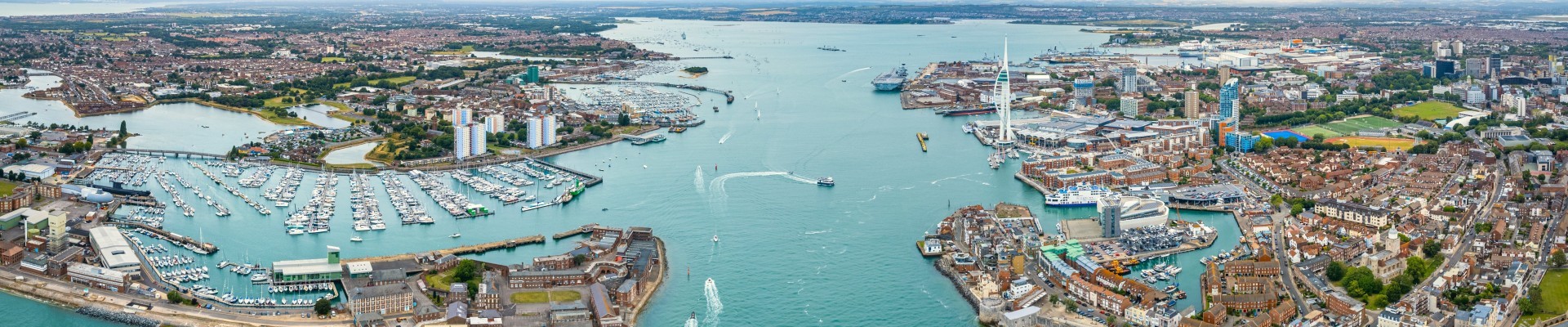
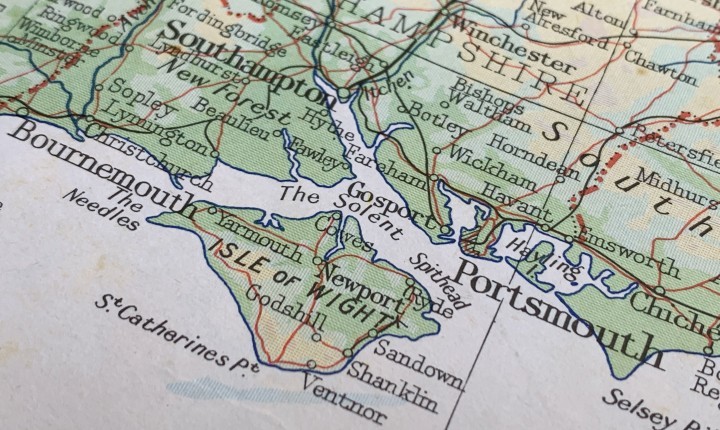
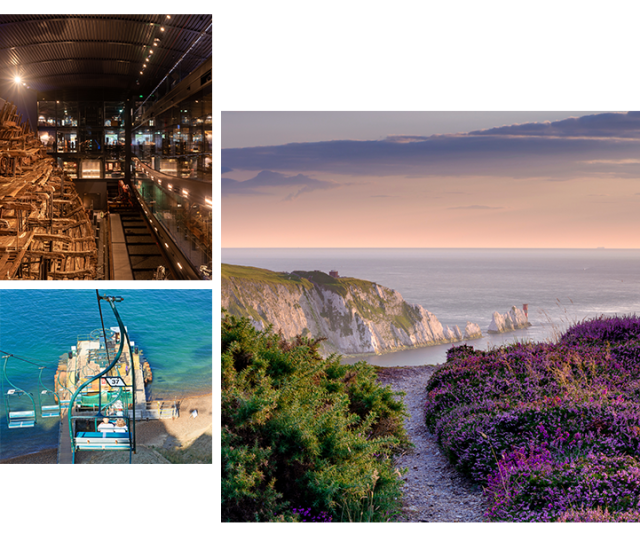
Once a river valley during the prehistoric period, the Solent region has been home to human settlements as early as the Stone Age, with remnants of an 8,000-year-old Mesolithic structure having been uncovered at Bouldnor Cliff, Isle of Wight.
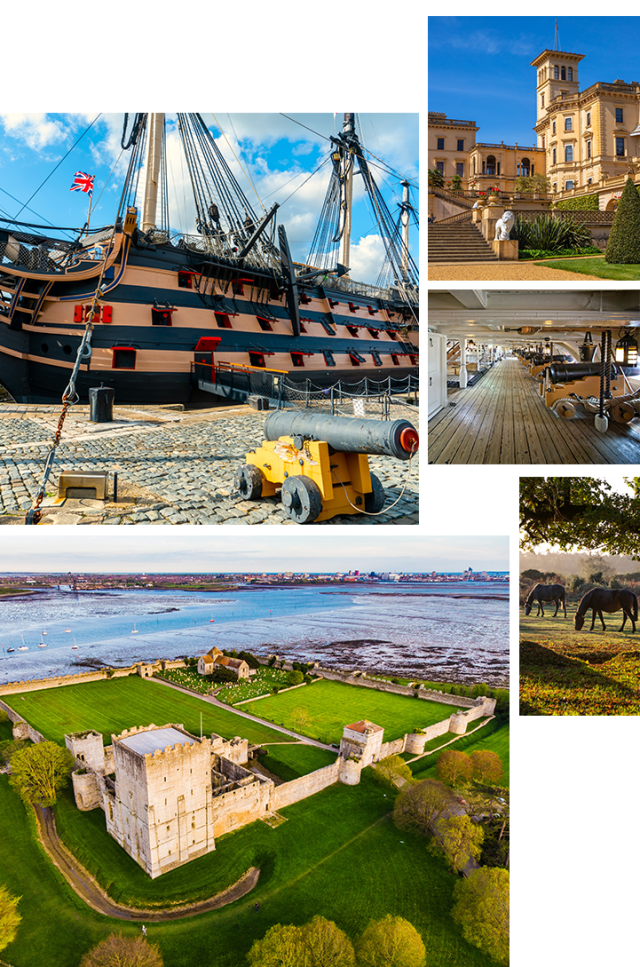
Due to its strategic location, the Solent’s shores have long been vital for defence. The Romans recognised this potential and established forts such as Portchester Castle, which likely supported the Classis Britannica naval fleet. In later centuries, the Saxons and Normans repurposed and reinforced these fortifications, with Portchester Castle remaining a significant stronghold throughout the medieval period.
The Solent’s maritime legacy flourished during the Medieval Age and the following Age of Sail. Henry VII revolutionised naval infrastructure by constructing the first dry dock, in Portsmouth in 1495, with the city becoming England’s first permanent naval base.
Southampton emerged as a trade hub during the medieval era, exporting wool, cloth, and other goods, whilst Portsmouth went on to build iconic ships, such as the Mary Rose in the 16th century and HMS Victory in the 18th, both symbols of Britain's naval power.
The Industrial Revolution transformed the Solent region, introducing steam-powered ships, new shipbuilding techniques, and expanding its naval and trade infrastructure. Southampton became a centre for passenger shipping, notably being linked to the Titanic.
Improved rail networks and Victorian travel trends laid the foundation for the Solent area’s rise as a popular tourist destination. The Isle of Wight made a name for itself as a fashionable retreat, epitomised by Queen Victoria’s Osborne House, while the New Forest gained recognition for its natural beauty.
During both World Wars, the Solent region was a main player in Britain’s defence strategy. Portsmouth’s naval base supported D-Day preparations, while Southampton served as a key port for military logistics and troop deployment. The region, including smaller market towns such as Fareham and Gosport, was also used for testing new naval technologies, including radar and weapons systems.