


12/03/2026
DecarbonisationUK wholesale gas prices have risen by around 50 per cent since the conflict in the Middle East began in late February 2026. The Strait of Hormuz, through which roughly 20 per cent of the world's oil and gas passes, has been severely disrupted, leading to an immediate reaction in energy markets.
For anyone responsible for managing a commercial property estate, this should feel familiar. It is not the first time a geopolitical event thousands of miles away has driven up the cost of keeping a building running, and it will likely not be the last.
The question is not whether another energy shock is coming; it is whether your estate will be ready when it does.
What is happening to energy costs right now?
The ongoing conflict has disrupted the Strait of Hormuz, one of the world's most critical energy shipping routes. UK wholesale gas prices have since responded sharply.
Industry forecasters have already revised price cap projections upward for later in 2026. Businesses on flexible or out-of-contract energy arrangements are feeling the impact now, and those approaching renewal face a more uncertain market than they did even weeks ago.
The parallel with the Russia-Ukraine conflict is direct, which saw the energy price cap peak at £4,279 in January 2023. Businesses and public sector organisations that had not invested in energy efficiency absorbed costs they had no means of avoiding.
What does this mean for your property estate?
For commercial property owners, rising energy costs affect several things at once:
- Operating costs increase directly
- Where leases place energy costs on the landlord, margins compress
- Where costs fall on occupiers, affordability and retention become a concern
Asset values are also at risk for properties with poor Energy Performance Certificate (EPC) ratings are already less attractive to occupiers and investors. The new EPC regulations require commercial properties to reach EPC C by 2028 and EPC B by 2030.
Buildings that fall short face restrictions on lettability, which is a compliance risk that sits alongside the cost risk. Owners who have not yet assessed their portfolio position should do so now.
The case for decarbonisation
Decarbonisation is often framed as a response to environmental regulation or net zero commitments. Both matter, but the events of the past few weeks make the financial case in terms that have nothing to do with sustainability targets.
A building that generates its own renewable energy, uses high-performance insulation and has moved away from gas heating is structurally less exposed to wholesale gas price volatility. It does not matter whether the disruption comes from, your exposure will be reduced.
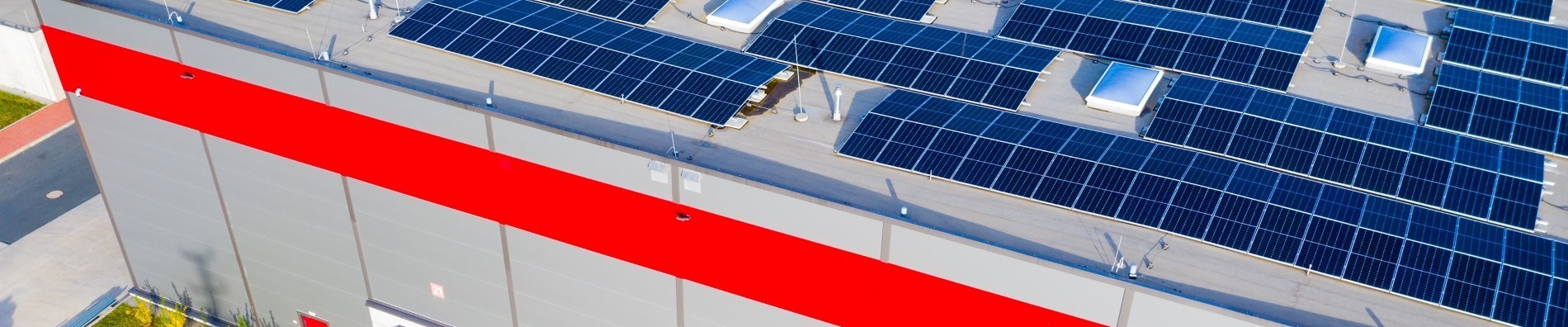
The practical steps vary by property type, age, and use. A fabric first approach is typically the most cost-effective starting point, and commercial solar panels and heat pumps can further reduce reliance on grid-supplied gas.
An energy audit provides the evidence base to make these decisions with confidence, identifying where capital is best deployed and what the likely return looks like.
How do I get started with my carbon reduction strategies?
The starting point is understanding your estate's current exposure. Which buildings are most energy-intensive? What EPC ratings do your properties currently hold? Where are the highest-impact opportunities for improvement?
A conversation with our specialist advisers can answer these questions quickly and produce a prioritised plan that reflects your budget, timeline, and compliance obligations. The goal is not to do everything at once, it is to begin reducing exposure in a structured, cost-effective way.
Our decarbonisation team works with commercial property owners and occupiers across the UK to assess energy efficiency risks and plan practical programmes. Whether you manage a single asset or a large portfolio, complete the form below so we can help you understand your exposure and identify the right next steps.
Get in touch with the BTG Eddisons team
Please contact us for more details and information.