


There is a telling shift in the UKREiiF 2026 programme that anyone working in property insurance and asset management will notice immediately. Climate risk, flood risk, and the insurability of commercial assets have moved out of the specialist fringe and into the main conference conversation. That is not an accident. It reflects where the financial consequences of getting this wrong have arrived.
Why climate risk has moved into the mainstream
A few years ago, sessions on flood risk and net zero compliance at events like UKREiiF were attended by a relatively narrow group of sustainability specialists and technical advisers. The broader investment and asset management community largely treated them as background noise. Important in principle, but relevant to someone else in practice.
That is no longer a sustainable position. Climate-related risk is now affecting asset values, lending decisions, and insurance availability in ways that are direct and measurable. When a building becomes difficult or prohibitively expensive to insure, the consequences run through the entire ownership and financing structure. Lenders notice this. Valuers notice this. Buyers notice this.
The fact that these topics are now in the main programme at UKREiiF reflects a market that has had to take them seriously.
The gap between understanding and reality
What concerns me most heading into these conversations is not that the industry is ignoring climate risk. It is that the gap between what asset owners understand about their exposure and what that exposure actually means for long-term value and viability remains wider than it should be.
Flood risk is a good example. The availability and cost of flood insurance for commercial property have changed materially in some locations and for some asset types. For an owner or lender assessing a long-term hold, the question of whether a property will remain insurable at a reasonable cost over a ten or twenty-year period is a genuinely significant one. It is not always being asked early enough or with enough rigour.
The same applies to net zero compliance. The interaction between EPC requirements, MEES obligations, and insurance risk profiles is complex. Buildings that are expensive to run, difficult to retrofit, and increasingly exposed to climate-related physical risks present a set of challenges that need to be understood together rather than in isolation.
What I will be watching at UKREiiF
The sessions I am most interested in are those that address the practical financial implications of climate risk for asset owners and their advisers – not the policy framework in the abstract, but what it means for specific asset types, specific locations, and specific decisions about whether to hold, invest, or dispose.
The conversation about insurability, in particular, is one I expect to be more substantive this year than in previous years. The market has moved. The data is clearer. The consequences for assets in certain flood risk categories or with poor energy performance credentials are no longer theoretical.
Closing the knowledge gap
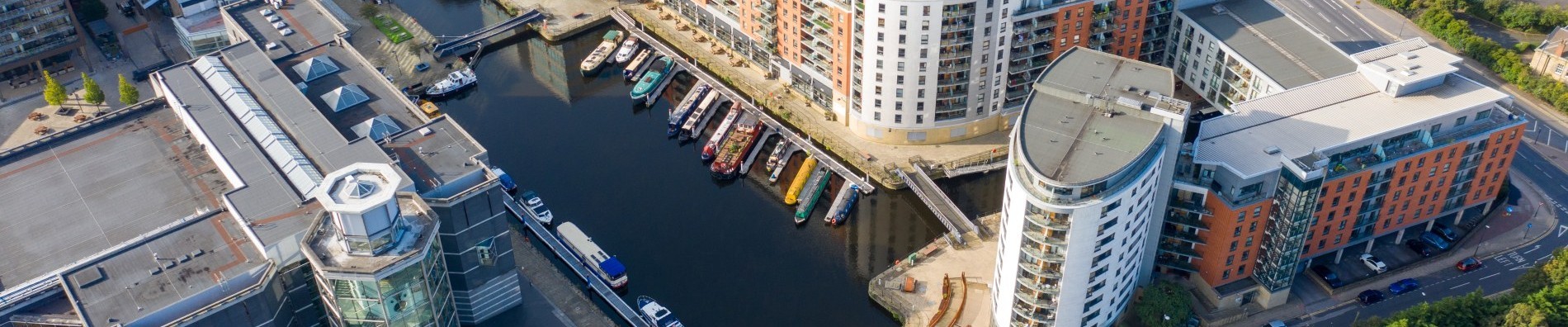
The most useful outcome from UKREiiF on these themes would be a clearer shared understanding across investors, lenders, property managers, and insurers of what climate-related risk actually looks like at asset level. Not headline commitments or aggregate statistics, but the kind of granular, location-specific, asset-specific analysis that informs better decisions. That is the conversation worth having in Leeds. I am looking forward to being part of it.
Meet me at UKREiiF
If you are attending UKREiiF and want to discuss how climate risk and insurability are affecting your property assets, I would be glad to find time for a conversation in Leeds. Do not hesitate to email [email protected] to arrange a meeting today.
Alternatively, come and see the wider BTG Eddisons team at our Black Cat Club fringe event. Just email [email protected] or complete the form below to register your interest.
Get in touch with the BTG Eddisons team
Please contact us for more details and information.