


The sustainability thread running through this year's UKREiiF programme is hard to miss. From net zero and retrofit to ESG strategy and performance compliance, these topics appear across almost every sector conversation at the conference, regardless of asset class or geography. That breadth reflects how far the agenda has moved in a relatively short period of time.
What is perhaps more interesting, and more useful, is how the nature of that conversation has shifted.
From targets to delivery
A few years ago, the sustainability sessions at events like this were largely about targets and commitments. Who had signed what, what the ambition was, when things were going to change. That version of the conversation served a purpose. It built awareness and created a degree of shared expectation across the industry.
The version we are having in 2026 is different. It is about what has actually been delivered, what it cost, where the gap is between what was promised and what happened, and who ended up carrying that gap. Those are harder questions, but they are also the right ones.
The questions that actually matter for property management clients
For property management clients, this shift matters directly. The practical reality of improving an asset's energy performance involves decisions that sit across landlord and tenant interests, and those interests do not always align.
Who funds the upgrade work? How are the savings shared? What happens to service charge apportionment when a building's systems are replaced? What does a green lease actually require each party to do, and what happens when one of them does not do it?
These questions do not have universal answers. They have answers that depend on the specific lease, the specific asset, the specific relationship between landlord and occupier, and the specific timeline each party is working to. The role of a property manager in navigating that is significant, and it requires both technical understanding and practical commercial judgment.
What I will be listening for at UKREiiF
The sessions I am most interested in are the ones that engage with this honestly. These include:
- The retrofit conversations that acknowledge the cost and the difficulty alongside the necessity.
- The ESG discussions that address what institutional investors are actually requiring of assets in their portfolios, rather than what they say they are requiring.
- The performance compliance debates that get into the practical implications of tightening MEES requirements for landlords who have older stock and limited capital to deploy against it.
Closing the gap between ambition and reality
The gap between sustainability ambition and sustainability delivery is still significant across the commercial property sector. Closing it requires the kind of practical, commercially grounded thinking that property management sits at the centre of. The question of who pays, how risk is shared, and how improvement programmes are structured and delivered is not a peripheral one. It is the question.
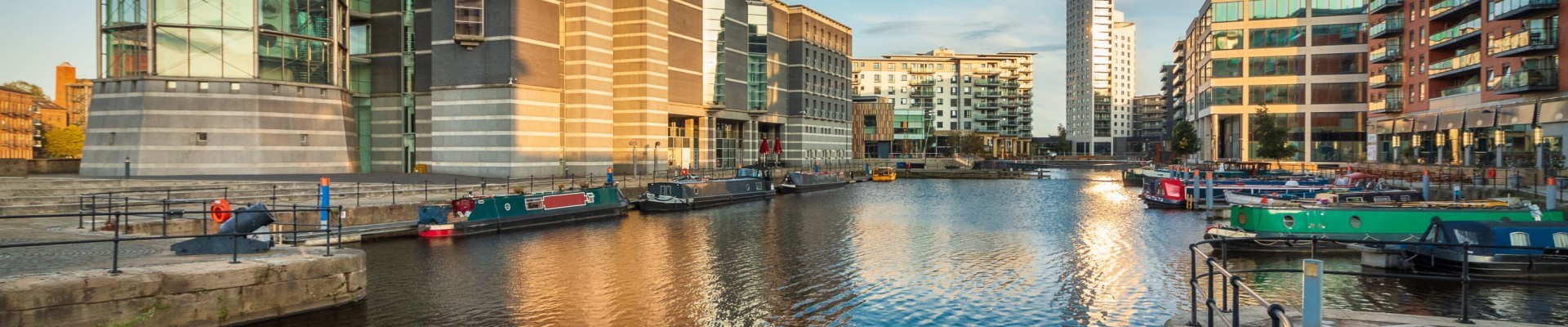
UKREiiF gives a useful read on where the industry's thinking has reached on all of this. I am heading to Leeds with colleagues from across the BTG Eddisons team and would welcome the chance to compare notes with anyone working through these questions in their own portfolio.
Meet me at UKREiiF
If you are attending UKREiiF and want to discuss how sustainability requirements are affecting your asset management strategy, I would be glad to find time to meet. Get in touch by emailing [email protected] to arrange a conversation, or email [email protected] if you would like to attend our fringe event at Black Cat Club.
Get in touch with the BTG Eddisons team
Please contact us for more details and information.