


18/08/2025
Building consultancyThe United Kingdom’s cladding crisis has been well-documented since the Grenfell Tower fire, a tragic event that led to 72 people sadly losing their lives. An inquest found that cladding was a primary cause of the disaster, with fire regulations in high-rise buildings scrutinised for failing to protect the occupants of this building.
Eight years on from the fire, cladding remains a prominent issue across many flat/apartment blocks across the UK. In response to this, the government has introduced the Cladding Safety Scheme to cover the remediation costs, ensuring incidents like the Grenfell Tower fire never happen again.
The Cladding Safety Scheme could be vital if you live in a high-rise building, so continue reading to learn more about it.
What is cladding and why is it an issue?
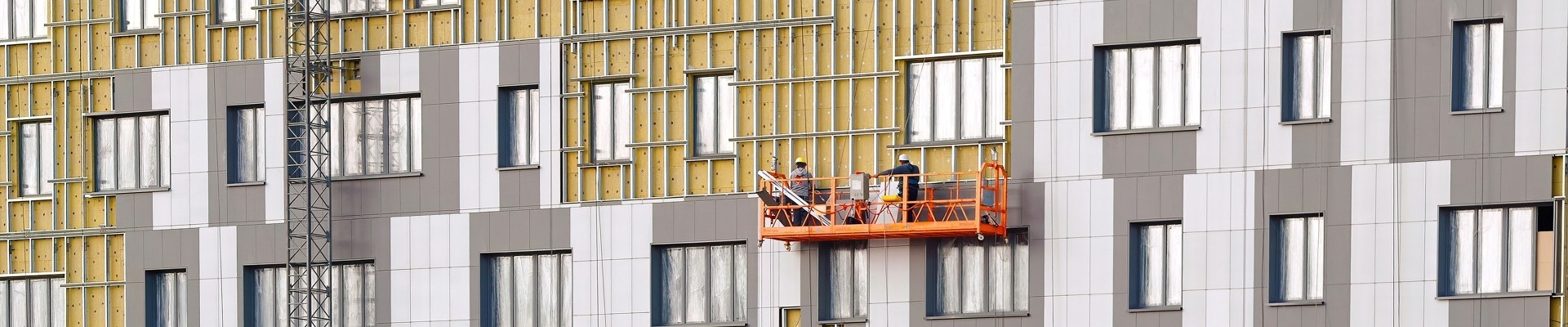
Cladding is a material layer that is fixed to the exterior of a building, most commonly used for insulation, weatherproofing and aesthetic purposes. While not all types are inherently dangerous, aluminium composite material (ACM) and high-pressure laminate (HPL) panels are highly combustible.
When unsafe cladding is installed on high-rise buildings, fires can spread quickly up the façade, rendering fire breaks effectively useless. It also makes firefighting efforts significantly harder, putting the lives of its tenants in danger.
What is the Cladding Safety Scheme?
The Cladding Safety Scheme is a government funding initiative designed to cover the removal and replacement costs of unsafe cladding on residential high-rise buildings. It is managed by both Homes England and the Greater London Authority.
Funding from the scheme can be used to pay for the following:
- Removal of unsafe external wall systems
- Replacement with compliant materials
- Associated works like fire breaks, insulation and weatherproofing
- Project management and professional fees
Cladding Safety Scheme eligibility criteria
Your building could be eligible for the Cladding Safety Scheme if it meets the following specifications:
- Is 11 metres tall or more
- Has at least two residential dwellings
- A professional fire risk assessment has confirmed unsafe cladding
- It is not covered by a developer remediation agreement
If your block of flats/apartments does not meet the Cladding Safety Scheme criteria, the Building Safety Fund may be a suitable alternative.
Who can apply for the Cladding Safety Scheme?
Applications can only be made by the person or organisation responsible for the building’s external repair and maintenance, known as the ‘responsible entity’. Typically, the building’s responsible entity is the:
- Freeholder
- Head leaseholder
- Right-to-manage company
- Resident management company
- Registered provider of social housing
The Cladding Safety Scheme application process
Applications are made through the National Remediation System or the Building Remediation Hub. You will need to read the guidelines and create an account to begin the application process.
The application process can seem daunting, which is why our team on the South Coast has designed a service where we complete it for you. This is a part of our residential block management offering, and we can increase your chances of being approved.
What happens if my responsible entity does not apply?
We understand that it can be frustrating when you believe your building is eligible for the Cladding Safety Scheme, but your responsible entity does not apply.
Fortunately, Homes England has a ‘Tell us Tool’ that allows you to inform them of unsafe cladding on your building. Completing this form means they can get in touch with the relevant freeholder or manager to begin the process.
Get tailored Cladding Safety Scheme support from Eddisons
Unsafe cladding can put your life in danger, so contact us if you need support with your Cladding Safety Scheme application. We will work tirelessly to improve your chance of approval, and we also have a dedicated team of building consultants who can assist with the project. If you have any questions or want to get started, please use the form below.
Get in touch with the BTG Eddisons team
Please contact us for more details and information.