


12/02/2024
DecarbonisationA fabric first approach to building design and retrofit prioritises the physical performance of the building itself before turning to mechanical systems or renewable energy technology. It is widely regarded as the most cost-effective and durable route to reducing energy consumption, cutting running costs, and meeting Minimum Energy Efficiency Standards.
This guide explains what fabric first means in practice and why it matters for commercial property owners and occupiers.
The most effective place to start with building performance
When a building performs poorly on energy, the instinct is often to add technology, such as a heat pump, solar panels, or a new boiler. These can all play a valuable role, but if the building itself is losing heat through poorly insulated walls, draughty windows, or an inadequately sealed roof, no amount of low-carbon technology will fully compensate. You are, in effect, trying to heat or cool a leaky vessel.
A fabric first approach addresses that problem at source. By prioritising the physical components that make up the building's structure and envelope before specifying mechanical systems, it reduces the energy demand of the building fundamentally. The result is a structure that requires less energy to heat, cool, and ventilate in the first place.
For commercial property owners facing tightening EPC and Minimum Energy Efficiency Standards compliance deadlines, fabric first is not just a design philosophy. It is increasingly a practical necessity.
What is building fabric?
A building's fabric refers to the physical components that form its structure and envelope (the barrier between the interior and exterior environments). This includes exterior walls, the roof, ground floors, windows, doors, and any other element that separates the inside of a building from the outside.
These components determine how much heat the building retains in winter, how much unwanted heat it gains in summer, how airtight it is, and how much natural light it admits. Together, they define the thermal performance of the property before any heating, cooling, or ventilation system is switched on.
Poor fabric performance is the root cause of most energy inefficiency in commercial spaces. Addressing it directly, rather than compensating for it with increasingly powerful mechanical systems, is the logic behind the fabric first approach.
What does a fabric first approach involve?
A fabric first approach means making deliberate, evidence-based decisions about the building's physical components at the design or retrofit stage, with energy performance as a primary consideration. The key measures typically include the following.
Insulation
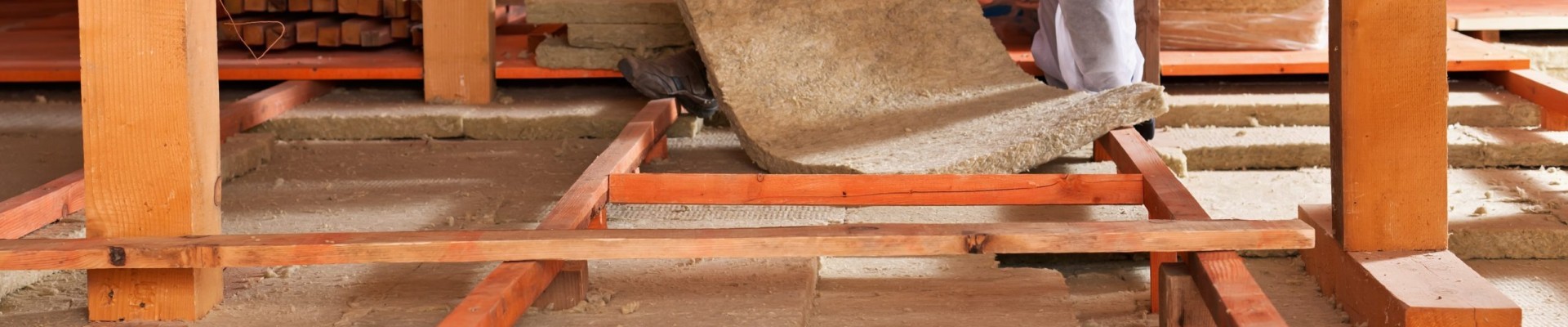
Improving insulation to walls, roofs, and floors reduces heat loss significantly. The right insulation specification depends on the building type, construction method, and the performance targets being pursued.
For existing buildings, insulation can often be added externally, internally, or within the fabric itself.
Airtightness
Uncontrolled air leakage, including draughts through gaps around windows, doors, service penetrations, and junctions, accounts for a substantial proportion of heat loss in older commercial buildings.
Improving airtightness through careful detailing and sealing reduces this loss directly. It also enhances occupant comfort by eliminating cold spots and draughts.
Glazing and windows
Windows are typically the weakest point in a building's thermal envelope. High-performance glazing significantly reduces heat loss through window areas. The orientation and size of glazing also affects solar gain, which can be beneficial in winter and problematic in summer if not carefully managed.
Thermal bridging
Thermal bridges are points in the building fabric where heat bypasses the insulation layer – typically at junctions between elements, around structural components, or at window and door frames.
Addressing thermal bridging reduces heat loss and prevents condensation and mould growth at vulnerable points.
Roof performance
The roof is often the largest single area of heat loss in a commercial building. Improving roof insulation can deliver significant energy savings and is frequently one of the most cost-effective fabric interventions available.
Once these fabric measures are in place, the building's reduced energy demand means that any mechanical or renewable energy systems specified can be smaller, cheaper, and more effective than they would otherwise need to be. This is the core logic of fabric first.
Why does fabric first make sense for existing commercial buildings?
The fabric first approach is often associated with new build design, where decisions about insulation, airtightness, and glazing can be built into the project from the outset. However, it is equally relevant for existing commercial buildings, where fabric performance is frequently poor and the compliance clock is ticking.
Minimum Energy Efficiency Standards require commercial properties to reach EPC C by 2028 and EPC B by 2030. For landlords with properties currently rated D or below, the question is not whether to invest in building performance, it is how to do so in a way that delivers the greatest return on that investment.
Fabric first provides the answer. Improvements to insulation, airtightness, and glazing deliver durable, low-maintenance performance gains that typically outlast mechanical systems by decades and do not require the same level of ongoing servicing and replacement.
For occupiers whose leases permit alterations, fabric improvements can also reduce energy costs directly and improve comfort and wellbeing – both of which have a measurable impact on productivity and staff satisfaction. Where a lease does not permit structural alterations, occupiers should engage their landlord early in any planned improvement programme.
Understanding what retrofit can achieve for existing buildings is a useful starting point for owners assessing their options, and an energy audit provides the evidence base needed to prioritise where fabric investment will have the greatest impact.
What are the benefits of a fabric first approach?
- Lower running costs – A building with high-performance fabric consumes less energy, and lower energy consumption means lower bills.
- Improved EPC ratings – Buildings with strong EPC ratings command better rents and are easier to let and sell.
- Reduced reliance on mechanical systems – A well-insulated, airtight building needs less heating in winter and less cooling in summer. That means smaller, less expensive mechanical systems, as well as lower maintenance and replacement costs over the life of the building.
- Enhanced occupier comfort – Consistent indoor temperatures, reduced draughts, and better humidity control all contribute to a more comfortable working environment.
- Long-term asset value – Buildings that perform well on energy efficiency are increasingly preferred by occupiers and investors.
- Regulatory resilience – Investing in fabric now reduces the risk of further costly upgrades as standards continue to tighten toward the 2050 net zero target.
How does fabric first relate to wider decarbonisation?
A fabric first approach does not preclude the use of renewable energy technology or low-carbon mechanical systems; it simply ensures that those technologies are specified and sized on the basis of a building that genuinely needs less energy. A heat pump installed in a well-insulated building will perform far more efficiently than the same system installed in a building losing heat through poorly specified walls and roof.
This is why fabric first sits at the foundation of any credible decarbonisation strategy for a commercial building or portfolio. It is the step that makes everything else work better and cost less.
A whole life carbon assessment can help owners and occupiers understand the full carbon impact of their buildings. This broader view is increasingly important for organisations with their own net zero commitments, and for investors assessing the sustainability credentials of assets.
Speak to our decarbonisation team about the fabric first approach
Whether you are planning a fabric improvement programme for a single asset or assessing a larger portfolio, our decarbonisation team can help you understand your current position, identify the most effective measures, and develop a practical, costed plan.
Get in touch by calling 0800 051 2593 or completing the form below to arrange a conversation about the fabric first approach and what it could mean for your buildings.
Get in touch with the BTG Eddisons team
Please contact us for more details and information.