



14/09/2024
Property agencyInvesting in industrial real estate often requires some specialised knowledge, which means it may not be for everyone. However, if anything, that makes it a more compelling investment opportunity, with reduced competition when compared to residential and commercial property enhancing the potential for long-term returns and capital growth.
If you’re considering a real estate investment, industrial property makes a strong case for reasons we’ll explain - but where do you start? Here we discuss why industrial property investments can be attractive, how you should approach an investment and some of the advantages and downsides to consider.
What is industrial property investment?
Industrial property investment is the process of buying, managing and exiting industrial real estate to make a return on your investment. That return comes in the form of the income you receive in rent when you have a tenant for the property and the capital appreciation resulting from the potential rise in its market value over time.
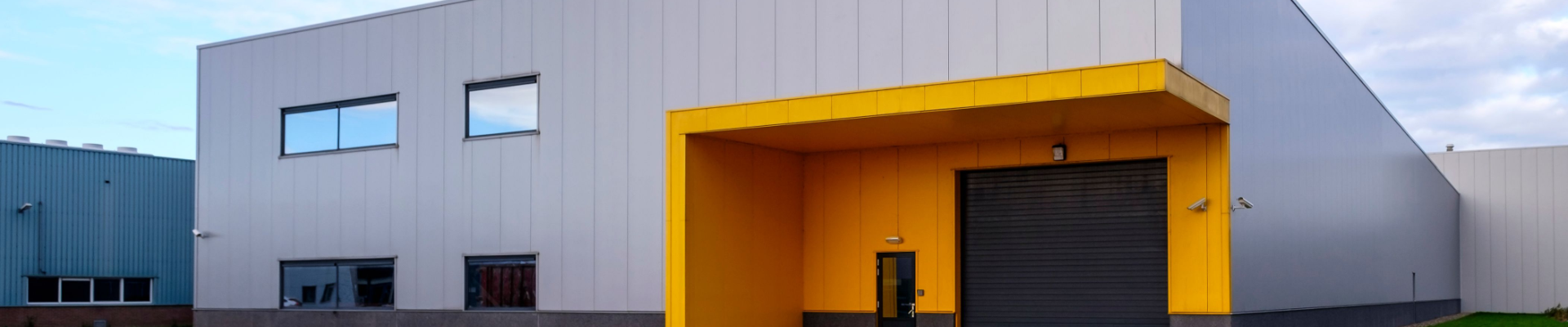
One of the primary benefits of industrial properties is that they are often inexpensive to own and operate, which makes them attractive to many investors. Industrial property investments are typically characterised by their operational infrastructure, such as high ceilings and loading docks, and their large square footage. Examples of common industrial property investments include:
- Warehouses
- Distribution centres
- Storage facilities
- Factories
- Research and development facilities
- Data centres
- Cold storage facilities
Why invest in industrial property?
There are many reasons why private investors and organisations choose to invest in industrial property. Although it may lack the curb appeal of other property types, the rise in e-commerce, data centres, and other internet technology companies means functional and well-located industrial space is currently in high demand.
Although rents on a square metre basis tend to be lower than other commercial property types, such as retail and office space, industrial properties typically attract longer leases, leading to consistent returns over the long term. Those long leases also make industrial property a good fit for investors who want to take a hands-off approach, as there are fewer concerns about retaining and finding new tenants.
Another reason industrial properties make good investments is the diverse range of properties on offer. With everything from small individual units to specialised manufacturing facilities, investors can find something that aligns with their budget, location preference and appetite for risk.
Key considerations when investing in industrial property investment
Approach any investment with your eyes wide open. That means doing as much research as possible, being aware of the risks and seeking the help of professionals where required. Although industrial property can lead to stable cash flows and impressive capital returns, there’s also the potential for things to wrong. With that in mind, here are some essential steps to take.
Be specific about your investment criteria
The first step is to define how you will make money from the investment. Are you looking for a property you can renovate and sell or a unit to rent out over the long term? If it’s the former, think about how you can add value and the level of demand for different industrial property types in the area. If it’s the latter, how will you manage the property, and what yield will you need to make the investment worthwhile?
Conduct thorough due diligence
Before committing to any industrial property investment, complete comprehensive due diligence. This should include arranging a building survey to identify structural issues, assessing environmental risks and reviewing planning permissions.
Assess location and accessibility
Location remains one of the most critical factors in industrial property investment. Consider proximity to major transport links such as motorways, ports and rail networks, as these can significantly influence rental values.
Understand tenant demand and market trends
Research the types of tenants operating in the area and what they require from an industrial space. Understanding current market trends, such as the rise of e-commerce and its impact on warehouse demand, can help you identify opportunities.
Plan for property management
If you are investing in a property to lease out, consider how it will be managed. Professional property management can save time and ensure your investment is looked after properly.
Consider future exit strategies
Think about your exit strategy from the outset. Understanding potential exit routes helps you make better decisions throughout the investment period.
Get expert industrial property investment advice
Our property agency team can guide you through the industrial property investment process, whether you are just exploring the option or ready to buy a building. Please use the form to arrange a free consultation today, and we will do our best to support you.
Get in touch with the BTG Eddisons team
Please contact us for more details and information.